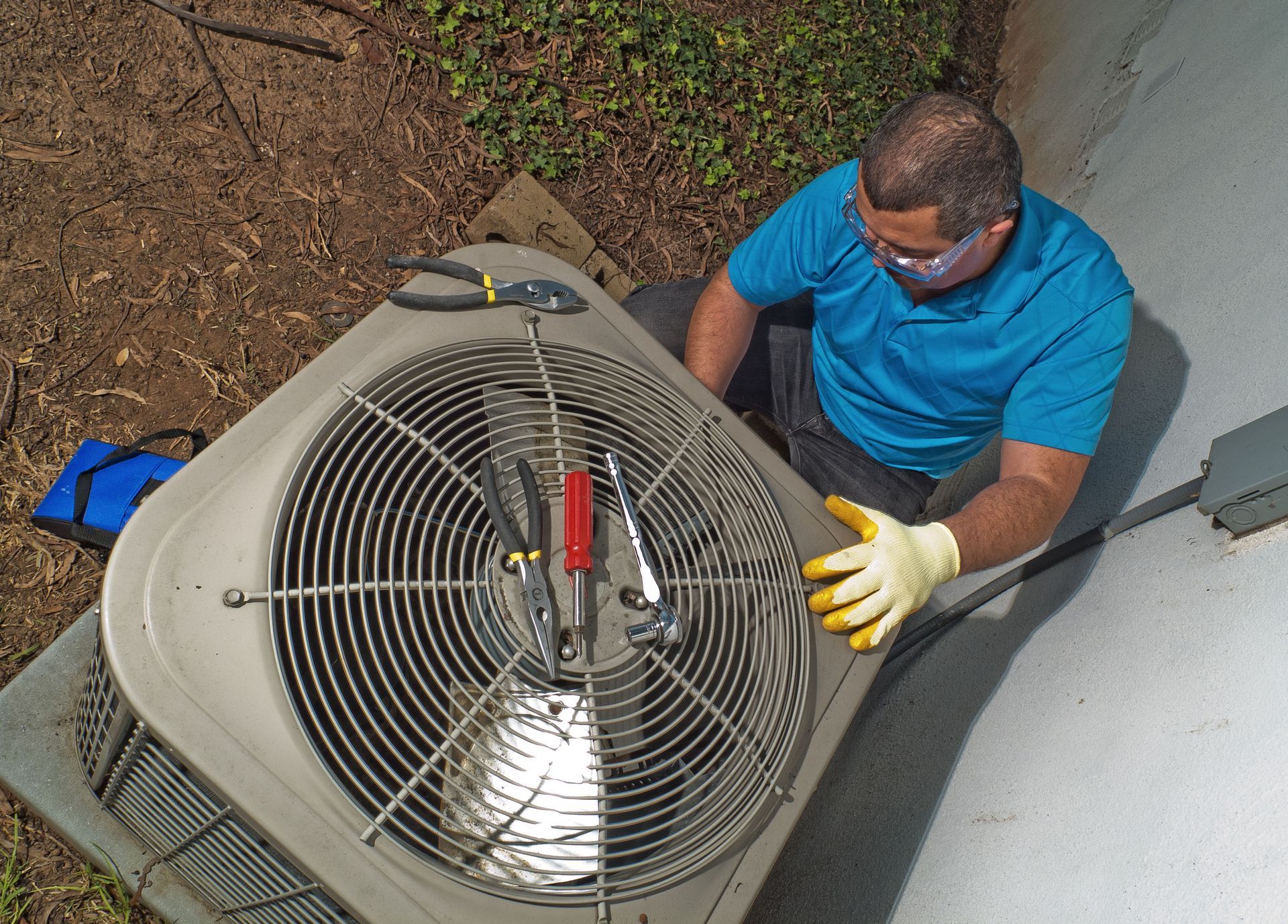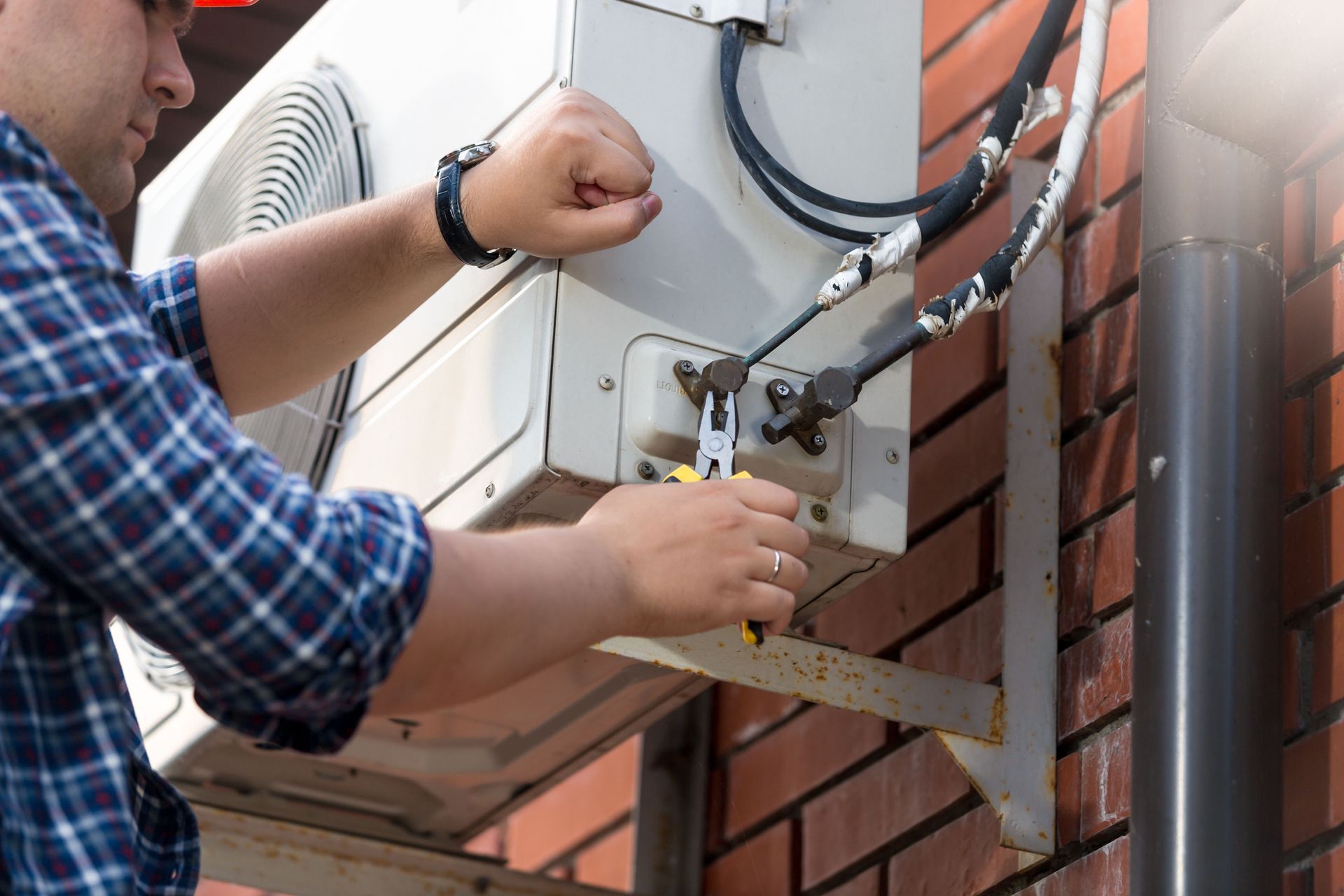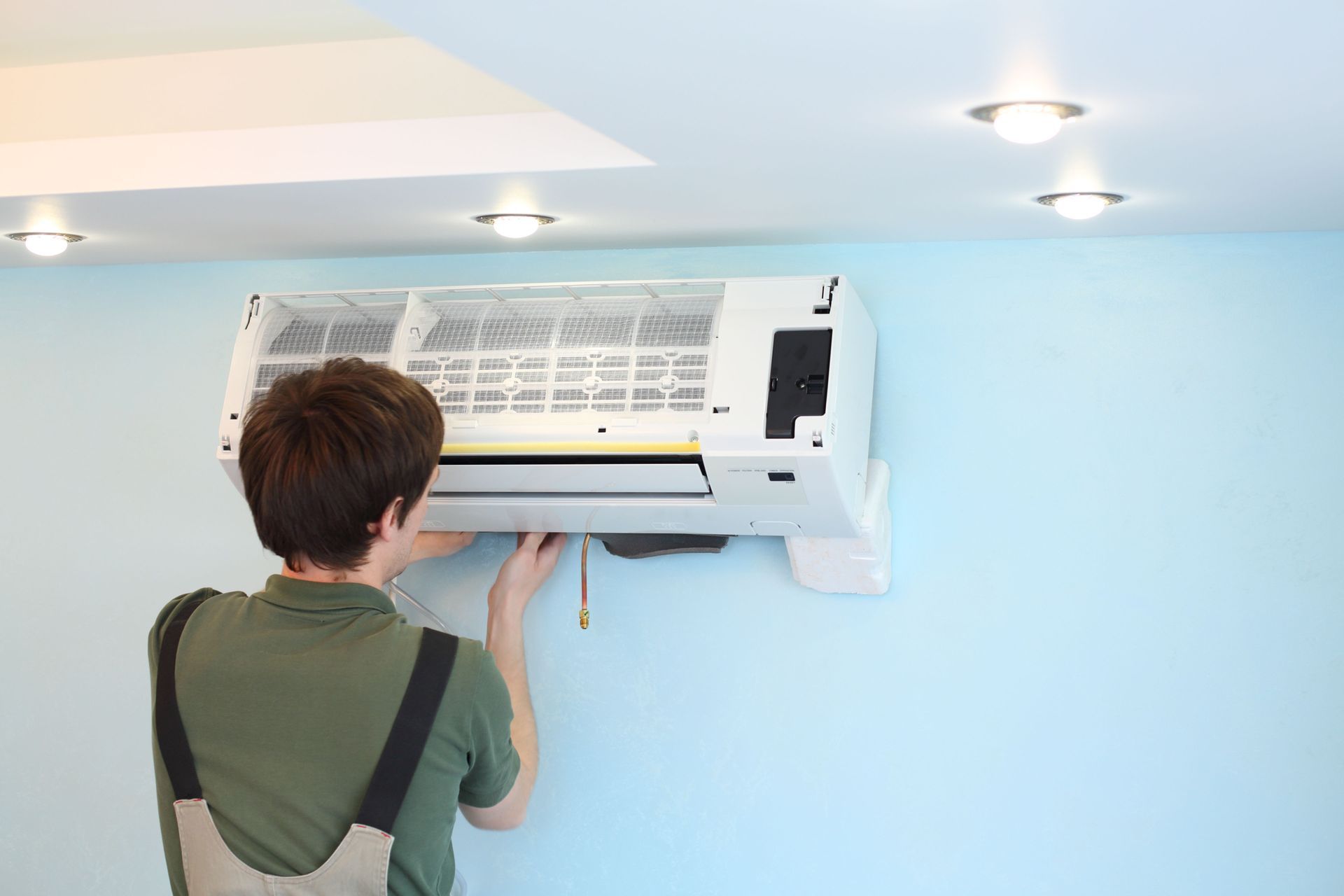
Heating, Ventilation, and Air Conditioning (HVAC) systems are vital in maintaining indoor comfort and air quality across various settings. As the demand for controlled indoor climates grows, the requirement for professional HVAC services becomes increasingly important. Engaging a full-service HVAC company ensures that clients receive comprehensive support, covering everything from installation to maintenance and repair, thereby guaranteeing that systems operate efficiently and reliably.
A full-service HVAC company stands out due to its ability to address a wide array of client needs, ranging from residential setups to more complex industrial systems. They offer tailored solutions that align with specific environmental conditions and client expectations, ensuring optimal functionality of systems. This level of service allows users to benefit from energy savings, reduced operational costs, and improved indoor air quality.
The promise of comprehensive service is not just about the breadth of solutions offered but also about the depth of expertise brought to every project. Whether it's providing cutting-edge cooling technologies, ensuring compliance with safety standards, or optimizing system performance, a full-service HVAC company delivers consistent quality. Clients engaging with such companies can expect transformative impacts on their indoor living or working environments.
Comprehensive HVAC Installation Services
Site Evaluation and Needs Assessment
The first step in the installation of an HVAC system involves a meticulous site evaluation by a qualified HVAC company. The company's team of professionals conducts detailed inspections to assess the building's specific heating and cooling requirements. Factors such as spatial dimensions, occupancy patterns, and local climate conditions are thoroughly analyzed. This ensures that the selected system will meet the exact demands of the space without unnecessary energy expenditure. Such tailor-made assessments are crucial for optimal system performance and energy efficiency.
A needs assessment is another critical aspect of the installation process. It involves understanding the client's specific requirements and preferences, including budgets and long-term goals. The assessment helps in selecting the most suitable equipment and system configurations. This personalized approach ensures greater client satisfaction and aligns with sustainability objectives. Consequently, the assessment process sets the foundation for a well-planned and executed HVAC installation.
Efficient HVAC systems start with a thoughtful design that considers both current and future needs. Based on initial evaluations and assessments, the chosen HVAC company develops detailed proposals. These propose system installations that maximize performance while ensuring energy-efficient operations. The process is transparent, involving clients at each stage to ensure alignment with their expectations. This structured approach is a hallmark of responsible full-service HVAC companies.
Installation of High-Efficiency Systems
The installation of high-efficiency systems marks a significant leap towards sustainability and environmental responsibility. Energy-efficient units significantly reduce the carbon footprint of homes and commercial properties by optimizing power consumption. These systems are engineered to deliver peak performance with minimal energy use, translating into lower utility bills and a smaller environmental impact.
Technological advances, such as variable refrigerant flow and high-performance heat exchangers, contribute to these efficiencies. Such high-efficiency systems also often come with government incentives, promoting wider adoption among environmentally conscious consumers.
Installing these systems involves detailed planning and precision execution to ensure they function as intended. Experienced HVAC technicians manage the intricacies of setup, calibration, and verification with meticulous care. Quality assurance is an integral part of the installation process, guaranteeing that each component is functioning properly and efficiently. This approach ensures that systems deliver maximum benefit from the outset, minimizing the risk of costly repairs or adjustments. The goal is to establish a reliable infrastructure that performs optimally throughout its lifespan.
Furthermore, the benefits of high-efficiency systems extend beyond individual satisfaction to broader community health and sustainability. For example, industrial air filters incorporated into such systems capture up to 99.97% of airborne particles, according to Precedence Research, significantly reducing respiratory issues among workers and extending equipment life. This underscores the impact of high-efficiency systems on business productivity and employee well-being. Adopting such systems not only meets individual user needs but also addresses broader socio-environmental priorities. By choosing efficient installations, each certified HVAC company helps foster healthier environments and more sustainable futures.
Regular Maintenance Programs
Scheduled Inspections and Tune-Ups
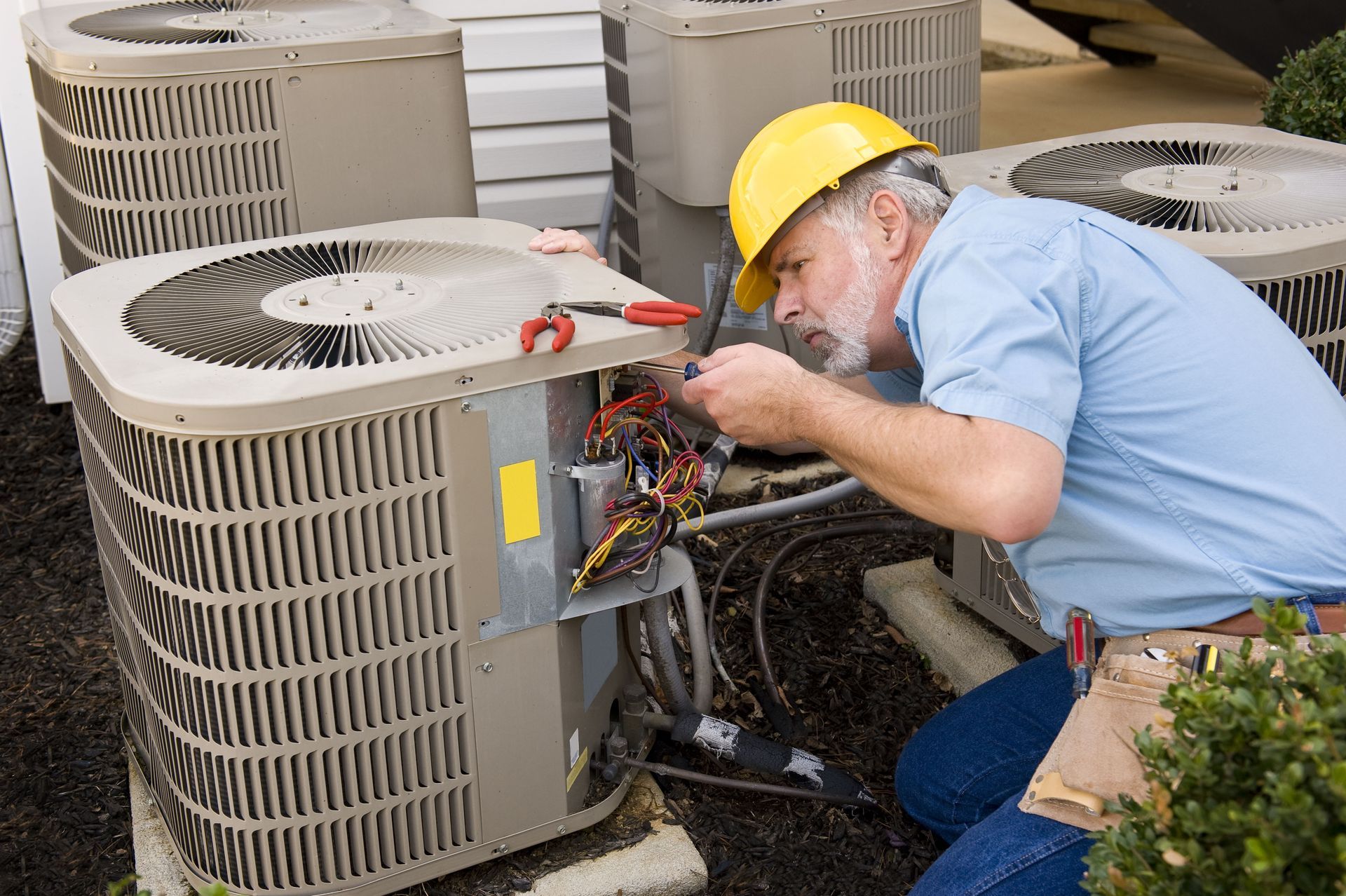
Scheduled inspections and tune-ups are indispensable for maintaining the efficiency and reliability of HVAC systems. These periodic checks are designed to identify potential problems before they lead to costly breakdowns and system failures. Full-service HVAC companies establish structured maintenance schedules tailored to the specific needs of each system. Technicians perform thorough assessments, examining essential components like ducts, filters, and electrical connections. These inspections ensure systems operate efficiently, providing optimum indoor comfort throughout the year.
A typical HVAC tune-up involves cleaning key system parts, lubricating moving components, and addressing any signs of wear or damage. This detailed service not only enhances system performance but also extends its useful life, improving return on investment for the clients.
Moreover, regular tune-ups contribute to improved indoor air quality by ensuring that filtration and ventilation systems function effectively. During these maintenance visits, technicians may also recommend upgrades or additional services that can further optimize system performance. Thus, regular maintenance helps strike a balance between performance and long-term system health.
These proactive maintenance measures demonstrate a commitment to client satisfaction and system longevity. By anticipating potential issues, a professional HVAC company provides peace of mind and adds significant value to their services. Additionally, clients who adhere to scheduled maintenance programs often benefit from added financial incentives, such as discounts or extended warranties.
Effective maintenance is ultimately a partnership—clients receive a consistently high standard of service while reducing unexpected repair costs. Informed clients and diligent maintenance efforts work together to ensure that HVAC systems remain a reliable backbone for comfortable indoor environments.
Preventive Maintenance Services
Preventive maintenance forms the cornerstone of effective system management and reduced incidence of breakdowns. By addressing issues before they manifest, preventive services managed by a trusted HVAC company minimize disruptions and prolong system life. Full-service HVAC companies offer extensive preventive solutions, conducting regular checks and performing essential tasks such as filter changes and system calibration. Initial consultations help to tailor service offerings to the specific requirements of each system and property. This personalized approach ensures each client receives relevant and effective maintenance support.
Beyond technical benefits, preventive maintenance offers valuable financial advantages for clients. By averting potential system failures, clients avoid the high costs associated with emergency repairs. Regular maintenance visits also include recommendations for upgrades or component replacements that can further enhance system efficiency. This proactive approach not only ensures peak system performance but also reduces energy consumption and utility costs. A comprehensive preventive maintenance program thus represents a prudent investment, safeguarding HVAC systems against costly disruptions.
Effective preventive maintenance relies on thorough communication and record-keeping. Technicians maintain detailed service histories for each client, ensuring future maintenance and repairs are well-informed and consistent. This provides clients with a clear picture of their system's condition and maintenance needs over time.
Client education is also pivotal, with technicians providing insights on identifying early warning signs and common preventive tasks. Together, these efforts help clients actively participate in the care and optimization of their HVAC systems. The partnership between client and service provider underscores a shared commitment to long-term system health and reliability.
Managing an indoor climate should never be a game of reactionary patchwork. As outlined throughout this guide, optimizing your heating, ventilation, and air conditioning relies on a cohesive, life-cycle approach. Ultimately, investing in comprehensive HVAC care is an investment in long-term operational sustainability. By combining expert design, precise system calibration, and a dedicated partnership for ongoing maintenance, you can break the stressful cycle of sudden breakdowns—creating a healthier, more energy-efficient indoor sanctuary that reliably performs for years to come. Reach out to Tyndall HVAC, Inc today to learn more.